Emergency Dentist Payment Options and Insurance Questions Answered
@stephenjvom573
October 30, 2026 · 16 min read
A dental emergency has a way of turning ordinary concerns into urgent financial questions. When someone wakes up with facial swelling, breaks a front tooth on a weekend, or develops sharp pain that keeps them from sleeping, the first thought is usually relief. The second is often cost.
That is where many patients feel stuck. They are trying to decide whether to call an emergency dentist right away, whether insurance will help, whether they can spread payments out, and whether delaying care for a day or two is worth the risk. Those are not small questions. In urgent dentistry, timing affects both health and cost. A manageable filling today can become a root canal or extraction later. A simple recement of a crown can turn into a fractured tooth if someone keeps chewing on the wrong side for too long.
Most people are not confused because they are careless. They are confused because emergency dental billing varies. One office may charge a separate emergency exam fee. Another may bundle the exam with an X-ray. One insurance plan may cover pain relief and infection treatment promptly but pay less for the final restoration. Another may impose waiting periods or classify a broken tooth differently depending on the cause.
The good news is that the situation is usually more navigable than it first appears. Once you understand how emergency dental fees are structured, what insurance typically does and does not cover, and what payment arrangements may be available, you can make better decisions under pressure.
What counts as a dental emergency, and why payment conversations happen so early
From a clinical standpoint, emergencies usually fall into a few broad categories: pain, swelling, infection, trauma, bleeding, and sudden damage that affects function or appearance. A severe toothache, a cracked molar that exposes the nerve, a knocked-out tooth, a lost crown on a heavily broken tooth, or swelling near the jawline all merit prompt attention. So does uncontrolled bleeding after an extraction or oral injury.
What surprises many patients is how early the front desk starts talking about fees. That can feel abrupt when someone is in pain, but there is a practical reason. Emergency visits often involve same-day diagnosis, X-rays, palliative treatment, and a discussion about definitive care. An office needs to clarify financial expectations before proceeding with anything beyond the initial evaluation.
In real practice, the emergency visit and the full fix are not always the same appointment. Someone may come in with a painful abscess, receive an exam, radiographs, drainage or antibiotics if clinically indicated, and leave with a plan for a root canal or extraction. Another patient may arrive with a chipped front tooth and have the repair completed on the spot. Payment obligations can look different in each case.
That is why one of the most useful things a patient can do is ask the office to separate costs into two parts: the immediate emergency visit and the likely follow-up treatment. Even when exact numbers are not possible yet, a good team can usually give a reasonable range.
The emergency dentist bill, broken into plain language
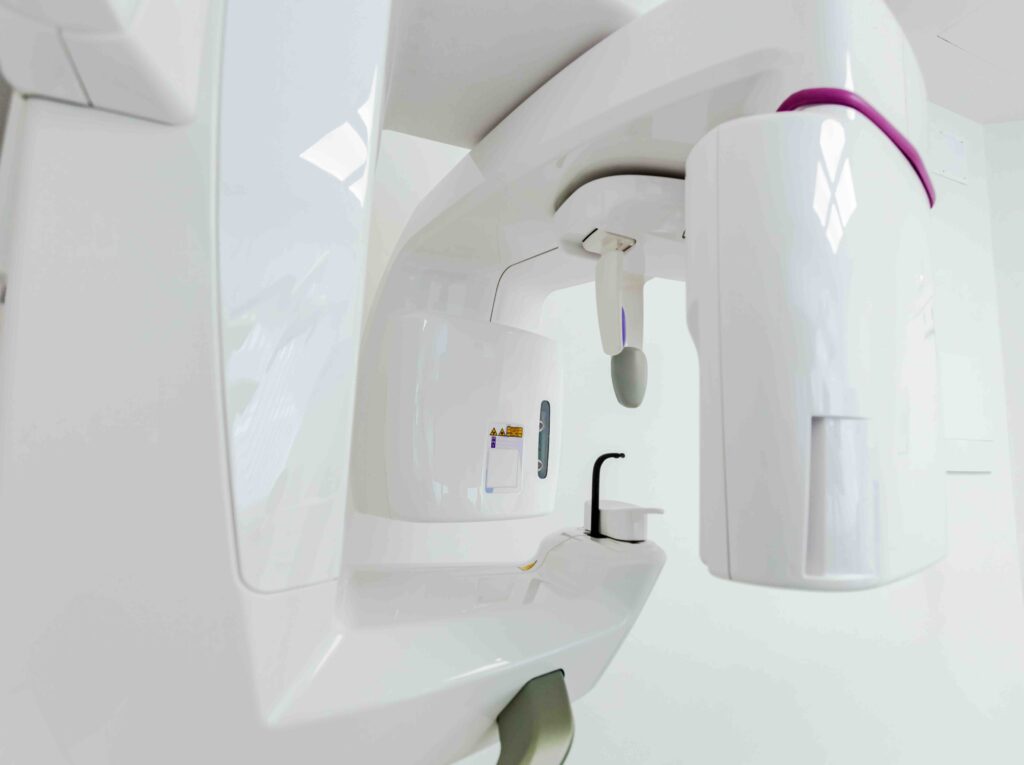
Dental offices use different fee schedules, but emergency charges usually come from a handful of common services. The exam itself may be billed as a problem-focused or limited emergency evaluation. Imaging often comes next, usually one or more periapical X-rays, a bitewing, or a panoramic image if the problem is broader. If trauma is involved, additional imaging may be needed.
After that, the cost depends on what happens in the chair. Temporary measures are common in emergency visits. A dentist may smooth a sharp fractured edge, place a sedative filling, recement a crown, adjust a bite that is triggering pain, or open a tooth to relieve pressure. If the source is infection, you may be billed for treatment directed at the affected area, and in some cases medication is prescribed through the pharmacy rather than dispensed at the office.
One common misunderstanding is assuming the emergency fee covers everything done that day. It often does not. Think of the emergency exam as the cost of urgent diagnosis and professional assessment. Any procedure performed after that may carry its own fee. Patients are much less frustrated when that distinction is explained up front.
A practical example helps. A patient with a cracked molar might pay for an emergency exam and X-rays first. If the dentist places a temporary medicated material to reduce sensitivity, that is usually an additional charge. If the tooth is found to need a crown and possibly root canal treatment, those are future fees, not part of the initial emergency appointment. By contrast, someone with a dislodged crown that can simply be recemented may have a much shorter and less expensive visit.
Will dental insurance cover an emergency dentist visit?
Usually, yes, at least in part, but the degree of coverage varies widely. Most dental plans cover emergency evaluations and necessary diagnostic X-rays to some extent, especially when the visit is tied to pain, trauma, or active disease. The part that creates confusion is what happens next. Insurance often distinguishes between diagnosing the problem, stabilizing it, and fully restoring the tooth.
A plan may help pay for the emergency exam and images but cover only a portion of the crown, root canal, or extraction that follows. Some plans place restorations under major services, which may have a lower reimbursement percentage than basic services. Others require deductibles before benefits apply. Annual maximums also matter. If a patient has already used much of the year’s coverage on cleanings, fillings, or prior treatment, the emergency dentist bill may become more out-of-pocket than expected.
Waiting periods are another issue. If someone recently enrolled in dental coverage, preventive services may be active while major work is delayed for several months. A person who develops a painful cracked tooth during that waiting period can find that the exam is covered but the crown is not. That feels unfair, but it is common plan design.
Medical insurance occasionally enters the picture, though less often than people hope. If the emergency involves facial trauma, jaw injury, deep infection, or treatment in a hospital setting, medical coverage may apply to parts of care that dental insurance does not. Still, routine tooth pain, decay, and standard extractions are generally handled through dental benefits, not medical.
The insurance questions that save time, money, and surprises
Many people call the dental office and ask, “Do you take my insurance?” That is a reasonable starting point, but it is not enough. An office can accept your plan and still leave you with substantial out-of-pocket costs depending on your benefits.
The more useful conversation is specific. Ask whether the office is in network or out of network with your plan, whether they can estimate your portion for an emergency exam and X-rays, and whether they can precheck coverage for likely treatment if time allows. The front desk cannot guarantee your insurer’s final payment, but experienced coordinators can often identify problem areas quickly.
When calling your insurer directly, these are the questions that matter most:
- Is emergency dental examination coverage active today, and is there a deductible?
- Are problem-focused X-rays covered, and at what percentage?
- Does my plan have waiting periods for basic or major services?
- How much of my annual maximum has already been used?
- Is this dental office in network, and are there different reimbursement levels if it is not?
Those five questions often reveal more than a generic benefits summary. If the insurer says the office is out of network, ask how reimbursement works. Some plans still pay well for out-of-network emergency care, while others leave a large balance.
It is also worth asking the dental office whether they will submit the claim for you. Most do. In urgent situations, that administrative help makes a real difference. Patients in pain should not have to decode CDT procedure codes from scratch.
Payment options when insurance is limited or unavailable
The phrase “payment options” can mean several different things, and patients often assume it refers only to financing. In practice, offices may offer a mix of immediate payment methods, structured plans, and third-party credit.
The most common options include the following:
- Paying in full by card, cash, or HSA/FSA funds
- Splitting payment between the emergency visit and the definitive treatment
- Using a third-party healthcare financing company, if approved
- Arranging an in-house payment plan, when the office offers one
- Prioritizing a temporary stabilizing treatment now and scheduling the full procedure later
Not every practice offers all five. Larger group practices and oral surgery centers are more likely to have formal financing partners. Smaller private offices may be more flexible with staged treatment but less likely to carry long-term in-house balances. Community clinics and dental schools can sometimes provide lower fees, though same-day emergency availability varies.
Health savings accounts and flexible spending accounts are often overlooked. For patients who have them, they can be one of the most efficient ways to cover emergency dental expenses with pre-tax dollars. The challenge is that many people forget the card at home or are unsure whether a specific service qualifies. Most routine emergency dental procedures do, but it is still wise to confirm.
Third-party financing can help in the right situation, especially for larger treatment plans. The trade-off is that approval depends on credit factors, and promotional terms may expire. A patient who puts a root canal and crown on a deferred-interest plan should understand exactly when interest begins and what happens if the balance is not paid in time. That fine print matters.
In-house payment plans sound ideal, but they are less common than they used to be. Offices that do offer them often limit them to established patients or shorter repayment windows. There is nothing wrong with asking. A concise question works best: “If the treatment is more than I can pay today, do you offer any office-managed payment arrangements?”
Why the cheapest immediate option is not always the least expensive choice
When someone is in pain, short-term affordability can overshadow long-term cost. That is understandable. It is also where patients sometimes make decisions they later regret.
Take a deeply decayed tooth with nerve pain. The least expensive same-day option may be an extraction. For some patients, that is absolutely the right choice, especially when the tooth is not restorable or when finances are tight and the tooth has limited strategic value. But extracting a key chewing tooth can create future costs if drifting, bite changes, or replacement become issues. A root canal and crown cost more up front, yet may preserve function and avoid a more complex chain of treatment later.
The reverse can also be true. Patients sometimes stretch financially to save a tooth that has a poor long-term prognosis because they feel pressure in the moment. A candid emergency dentist will explain when a heroic fix is unlikely to hold up. Good care is not about selling the biggest procedure. It is about matching treatment to the condition, the timeline, and the patient’s circumstances.
Temporary treatment occupies an awkward middle ground. Sometimes it is exactly what is needed, especially when the goal is to get a patient out of pain, control infection risk, and buy a few days to sort out finances. Other times it simply delays the inevitable and adds another fee. Asking “Will this temporary step reduce the total cost, or just postpone the definitive treatment?” is a smart move.
What uninsured patients should know before the visit
Being uninsured does not mean you are out of options, but it does mean price transparency becomes even more important. Many offices will provide a self-pay estimate for the emergency evaluation before you arrive. That is helpful, though you should expect the number to change if imaging or treatment is added after the exam.
Some practices offer membership plans rather than insurance. These are office-based discount programs, not regulated insurance products. They can reduce fees for exams, X-rays, and certain procedures, but they are usually more useful for ongoing care than for a one-time emergency. Even so, if a same-day membership immediately lowers the visit cost and the terms are straightforward, it may be worth considering.
For uninsured patients, there is also value in asking whether the office has a cash-pay rate for common emergency services. Not every practice does, and ethical offices should be careful about how they structure such discounts, but many have some flexibility. It is better to ask calmly and directly than to assume the listed fee is the only possible amount.
If the bill is still out of reach, community health centers, nonprofit clinics, and dental schools can be alternatives. The limitation is speed. A true emergency involving swelling, severe pain, trauma, fever, or uncontrolled bleeding may require immediate treatment rather than waiting for a lower-cost appointment.
The situations that need treatment first, billing second
Most financial questions should be handled early, but there are moments when medical urgency overrides detailed payment discussions. Rapidly increasing swelling, difficulty swallowing, difficulty breathing, high fever, uncontrolled bleeding, or significant facial trauma are not problems to shop around casually. Those symptoms can signal a spreading infection or more serious injury.
An emergency dentist may still discuss costs, but the priority shifts to stabilization and safety. If the condition is beyond the scope of an outpatient dental office, the patient may need referral to an oral surgeon, urgent care, or emergency department. In those cases, medical insurance may become more relevant, particularly when imaging, IV medications, or hospital-based treatment are involved.
This is one place where hesitation gets expensive in the worst possible way. A localized tooth infection is one thing. A spreading infection through facial spaces is something else entirely. Patients often underestimate that distinction because both start with “tooth pain.” A seasoned clinician takes swelling patterns, fever, range of mouth opening, and airway symptoms seriously for good reason.
How emergency dental offices usually handle estimates
Many patients want an exact total before sitting in the chair. That is understandable, but urgent dentistry does not always allow it. Until the dentist sees the tooth, tests it, and reviews imaging, the office may only be able to quote the examination range. Once the diagnosis is clearer, a treatment coordinator or front desk team member can usually give a more complete estimate.
That estimate is just that, an estimate. Insurance is not a point-of-sale system in the way many retail transactions are. The office predicts what the insurer will pay based on benefit information and experience, then adjusts when the claim is processed. For routine situations, those estimates are often close. For trauma claims, unusual limitations, downgrades, or missing tooth clauses, they can shift.
One practical tip is to ask for two numbers if possible: the estimated total fee and the estimated amount due today. Those are not the same thing. Some offices collect the emergency exam and X-ray charges on the day of service, then schedule the larger treatment with separate financial arrangements.
Another useful question is whether the estimate changes if treatment is completed the same day. Sometimes combining the emergency exam with immediate treatment is more efficient clinically and financially. Other times there is no discount at all, and the issue is simply whether the schedule allows it.
A few common insurance frustrations, explained honestly
Patients are often surprised that an insurer will help pay for an extraction but contribute less toward saving the tooth. That can happen because plan design categorizes procedures differently, not because the clinical value is lower. It is frustrating, but common.
Another point of confusion is the difference between “covered” and “paid for.” A procedure can be covered under the plan yet still leave a substantial patient balance because of Emergency Dentist deductibles, coinsurance, frequency limits, annual maximums, or out-of-network fee schedules. When front desk staff say, “It’s covered at 50 percent,” Emergency Dentist patients sometimes hear, “My bill will be small.” Those are not the same message.
Downgrades also catch people off guard. An insurer may reimburse based on a less expensive alternative than the one the dentist recommends. For example, a restoration might be paid at a lower level even when the clinical situation justifies something stronger or more esthetic. The office is not necessarily overcharging when that happens. It may be dealing with the insurer’s internal payment policy.
Then there is timing. Even a well-run office may not receive final payment for weeks. If there is a discrepancy, someone has to appeal it, supply records, or wait for reprocessing. Patients who understand this are less likely to panic when an initial estimate later changes by a modest amount.
The best way to approach the call when you need an emergency dentist
When pain is intense, people often rush through the call and miss the information they need most. A calm thirty seconds can save a lot of trouble. Explain the problem in plain language, mention any swelling or trauma, and then ask about both scheduling and finances.
A useful script sounds like this: “I have severe pain in my lower right tooth and some swelling. I need the earliest emergency appointment you have. Before I come in, can you tell me the approximate fee for the emergency exam and X-rays, whether you accept my insurance, and what payment options you offer if more treatment is needed today?”
That wording gets to the point. It tells the office the issue may be urgent, and it frames the financial conversation around realistic next steps. If the staff member cannot answer everything immediately, ask who can. Most practices have someone designated to discuss insurance estimates and payment arrangements.
Making a pressured decision without making a rushed mistake
There is no perfect time to compare fees, review benefits, and decide between treatment paths while dealing with dental pain. Still, good decisions are possible under pressure if you focus on a few essentials. First, know whether the condition needs immediate intervention for safety or infection control. Second, understand what today’s visit includes and what it does not. Third, ask how insurance is likely to apply, not whether the office merely “takes” it. Fourth, separate temporary relief from definitive treatment in both clinical and financial terms.
A capable emergency dentist and a transparent office team should help you do exactly that. They should be able to explain the likely diagnosis, the reasonable options, the trade-offs between speed and cost, and the payment routes available to you. Dentistry gets expensive when disease advances, when treatment is delayed without a plan, and when assumptions replace clear questions.
Pain tends to narrow attention. Good financial conversations widen it again. Once you know what the emergency visit covers, what your insurance is likely to pay, and what payment flexibility exists, the situation usually becomes less overwhelming. You may still not love the bill, but you can make a decision based on facts rather than fear.