Emergency Dentist Beverly Hills: Expert Care When Every Minute Counts
@stephenjvom573
October 1, 2026 · 15 min read
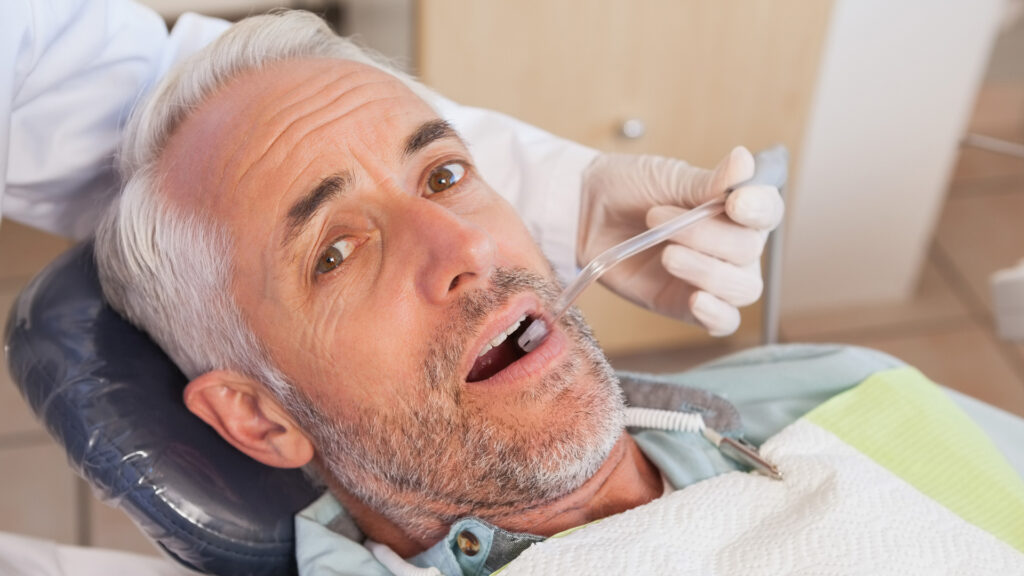

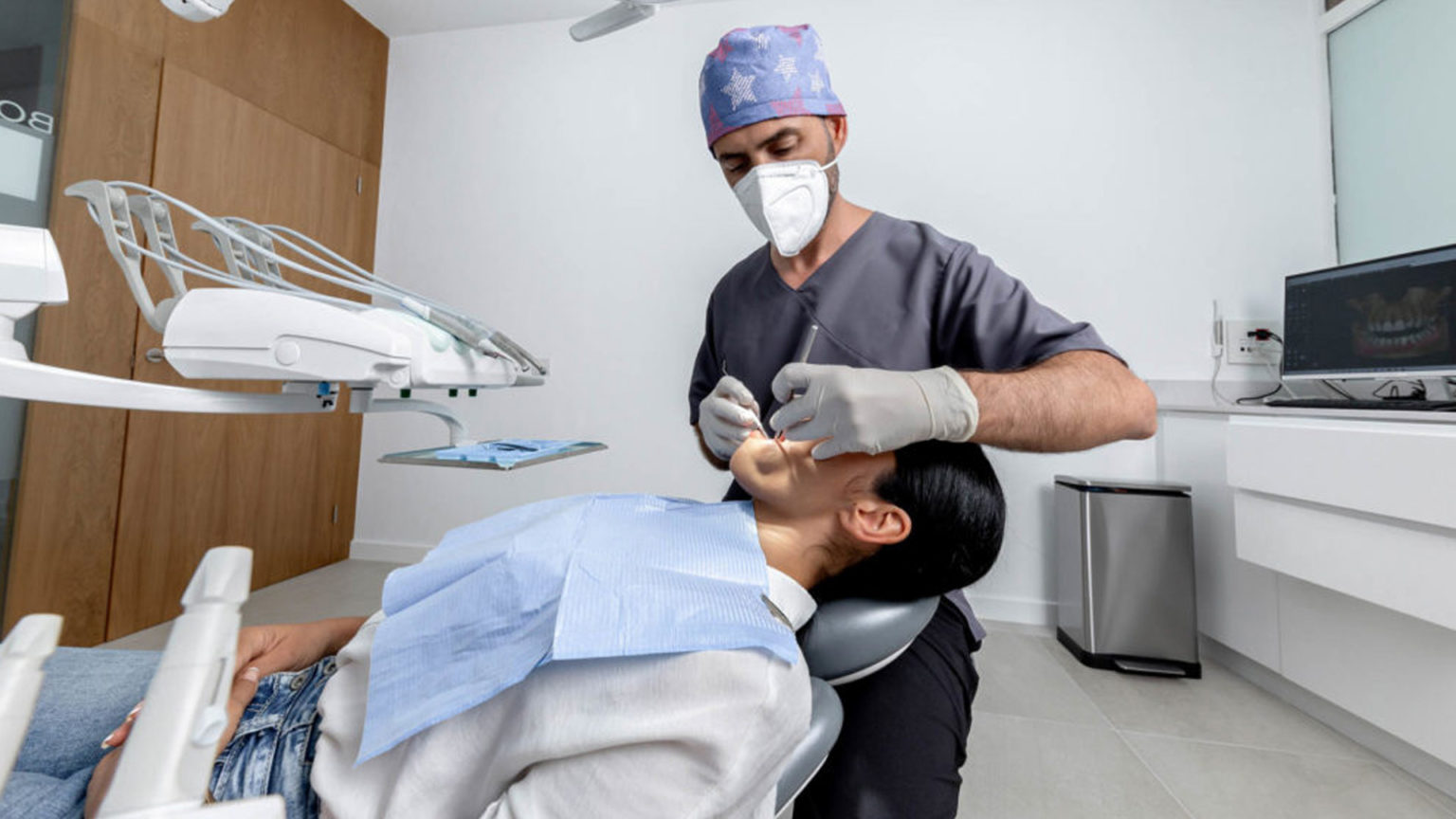
Dental emergencies rarely arrive at a convenient hour. A crown loosens before a client dinner. A child falls at a weekend party and chips a front tooth. A dull ache that felt manageable at noon becomes throbbing pain by midnight. In Beverly Hills, where schedules are tight and appearance often matters professionally as much as personally, people tend to seek care quickly for a reason. The longer a true dental emergency waits, the greater the chance of infection, more extensive treatment, or the loss of a tooth that might have been saved.
An emergency dentist does more than stop pain. Good emergency care starts with fast judgment. Is the problem primarily structural, infectious, traumatic, or cosmetic with a deeper functional issue hiding underneath? A cracked molar and a sinus-related pressure complaint can feel surprisingly similar to a patient in the moment. A knocked-out tooth requires an entirely different response from a lost filling, even if both happened within the same chaotic afternoon. Timing matters, but so does sorting the urgent from the dangerous and the painful from the reversible.
When people search for an Emergency Dentist Beverly Hills, they are usually not reading out of curiosity. They are trying to decide whether they should leave work, wake a family member, find transportation, or call immediately. That decision becomes easier when you know what qualifies as urgent, what can wait a few hours, and what you should do before you ever reach the dental chair.
What actually counts as a dental emergency
Not every dental problem is an emergency, but many are more time-sensitive than patients realize. Severe tooth pain that keeps building is high on the list, especially if there is swelling, a bad taste in the mouth, fever, or pain when biting. Those signs may point to infection or pressure building inside the tooth, and that problem rarely resolves on its own.
Trauma is another obvious category, though the severity can vary. A small chip with no sensitivity may be repaired electively. A fractured tooth with exposed dentin or pulp is different. So is any injury that causes mobility, changes the bite, or produces bleeding that does not settle. A tooth that has been completely knocked out is among the most urgent situations in dentistry because the odds of saving it drop as time passes.
Sometimes the emergency is not dramatic at first glance. A crown that falls off before a wedding may sound cosmetic, yet the uncovered tooth beneath it can be fragile, temperature-sensitive, and at risk of shifting. A broken denture can also become urgent if the patient cannot eat, speak comfortably, or attend work. Orthodontic emergencies sit in a gray zone. A loose bracket may wait, but a wire embedding into the cheek can become miserable and needs attention sooner.
The most concerning dental emergencies are the ones that extend beyond the teeth. Facial swelling that spreads, difficulty swallowing, difficulty opening the mouth, fever, or any sign that breathing is affected deserves immediate evaluation. Dentists see oral infections every day, but when an infection spreads into deeper tissues, the situation can escalate quickly.
Why speed matters more than most people expect
Patients often assume a few hours will not make a difference. In some cases, that is true. In others, it changes the outcome significantly. A tooth that is avulsed, meaning completely out of the socket, has the best chance of reimplantation when handled properly and returned quickly. A cracked tooth that starts as a repairable fracture can become unrestorable if the crack propagates below the gumline. An abscess that begins as localized pressure can turn into a more serious infection over a day or two.
There is also the question of pain control. Once inflammation ramps up inside a tooth, sleeping, eating, and concentrating become difficult. Patients sometimes wait until pain becomes unbearable, then discover they need a root canal, extraction, or incision and drainage under far more stressful conditions than if they had come in earlier. From a treatment perspective, emergencies are usually easier to manage before swelling becomes severe and before patients are exhausted, dehydrated, or anxious from prolonged discomfort.
In Beverly Hills, many patients are also balancing visibility. Public-facing work, social events, and travel plans can raise the stakes of a broken front tooth or sudden swelling. That is not vanity. It is real life. Oral health intersects with confidence, speech, and the ability to function normally in front of other people.
The first hour after a dental emergency
The right first steps can preserve options. People often do either too little or too much. They ignore a serious injury, or they scrub a knocked-out tooth so aggressively that they damage the living cells needed for reattachment.
If you are dealing with a dental emergency, the priorities are straightforward:
- Control bleeding with clean gauze or a clean cloth and gentle pressure.
- Preserve any broken tooth fragment or a knocked-out tooth, handling it by the crown rather than the root.
- Reduce swelling with a cold compress on the outside of the face for short intervals.
- Call an emergency dentist promptly and describe the event, symptoms, and timing clearly.
- Go to urgent medical care or the emergency room if breathing, swallowing, or severe facial swelling is involved.
Those steps sound simple, but details matter. If a tooth has been knocked out, rinse it briefly with clean water only if it is dirty. Do not scrape it. If possible, place it back into the socket gently. If that is not realistic, keep it moist in milk or a tooth preservation solution if available. Saliva can help in some cases, but it is not ideal for young children because of swallowing risk. For a broken tooth, even a small fragment may help the dentist match shape and shade during repair.
For pain, many patients do well with over-the-counter medication if they can take it safely, but aspirin placed directly on the gums is a bad idea. It does not fix tooth pain and can irritate or burn the soft tissue. Heat on the face is another common mistake when infection is suspected. Cold is usually more helpful in the early stage.
What an emergency dentist is evaluating behind the scenes
Patients understandably focus on pain. Dentists are trained to think in layers. They want to know whether the tooth is vital, whether the supporting bone is involved, whether the gum tissue is lacerated, whether the bite has changed, and whether the injury is isolated or part of a larger facial trauma.
A careful Emergency Dentist Beverly Hills emergency exam often includes dental radiographs, percussion testing, mobility testing, and an assessment of surrounding tissues. If the jaw was struck, the clinician may also watch how the teeth come together and ask whether the bite feels “off.” That phrase can be a clue to a root fracture, luxation injury, or jaw issue.
Infections require another kind of judgment. The dentist is asking whether the source is pulpal, periodontal, pericoronal, or post-procedural. Each pattern behaves differently. A localized gum abscess around one tooth may be managed differently from swelling caused by a dying nerve inside the tooth. Antibiotics are not the answer to every toothache. If the source is trapped infection inside the pulp chamber, drainage or definitive treatment is usually the real solution. This is why experienced emergency care matters. Masking symptoms without treating the cause often leads to repeat pain, worse swelling, and a more complicated visit later.
Common emergencies seen in Beverly Hills practices
Front tooth fractures are frequent, especially from sports, falls, and simple accidents at home. They carry a unique emotional weight because they affect appearance immediately. A small chip can often be repaired beautifully with bonding, sometimes in a single visit. A larger fracture may require more than cosmetic repair if the nerve is involved. Patients are often relieved to hear that modern restorative dentistry can be conservative when handled quickly.
Broken crowns and veneers are another category that shows up often. Sometimes the issue is straightforward recementation. Sometimes the restoration failed because decay developed underneath, the tooth cracked, or the bite forces became too concentrated. A good emergency dentist looks past the loose piece in your hand and asks why it came off in the first place.
Severe pain from an abscess remains one of the most common reasons people seek urgent care. Patients describe it as pulsing, pressure, or the feeling that the tooth is “too high.” They may wake up in the night or find that even room-temperature water hurts. In these cases, the immediate goals are to diagnose the source, reduce pain, and prevent spread. Depending on the tooth, that may mean opening the tooth for drainage, beginning root canal therapy, adjusting the bite, prescribing medication when indicated, or discussing extraction if the tooth cannot be predictably saved.
Wisdom tooth flare-ups also deserve mention. A partially erupted wisdom tooth can trap bacteria under the gum tissue and create intense soreness, swelling, and limited opening. Patients often think they have an ear infection or sore throat at first. When that tissue becomes inflamed, quick professional care can make a dramatic difference.
The difference between urgent care and a true dental office
Patients sometimes go to a medical urgent care first because it is nearby or familiar. That can be helpful when the problem involves fever, facial swelling, trauma beyond the teeth, or concern about general health. Still, many dental problems need dental treatment, not just medication. A physician may be able to help with pain control or identify a serious infection, but they usually cannot perform a pulpotomy, recement a crown, splint a tooth, adjust occlusion, or access a root canal system.
That distinction matters. If your pain is coming from a fractured cusp, pulp exposure, or unstable restoration, an emergency dentist has tools and materials designed for the source of the problem. Fast access to dental imaging and chairside restoration can shorten the crisis considerably.
The best approach is often practical rather than ideological. If you have swelling affecting breathing, trouble swallowing, or major facial trauma, seek immediate medical care. If the issue is centered on the tooth, gums, or dental work, an emergency dentist is usually the most direct path to real relief.
What treatment may look like on the same day
Emergency treatment is not always the final treatment. Patients sometimes expect either a complete fix in one visit or only a temporary patch. In reality, same-day care often falls somewhere between those extremes.
A painful tooth may receive definitive root canal treatment if time, anatomy, and swelling allow. Other times, the dentist performs an emergency pulpotomy or opens the tooth to relieve pressure, then schedules completion later. A cracked tooth may need a sedative filling or temporary crown first, with a permanent restoration after symptoms settle. A dislodged tooth might be splinted and monitored over weeks to months because trauma has a delayed biological timeline. Soft tissue injuries may need cleaning and suturing right away even while the final restorative plan is still evolving.
Patients appreciate honesty in these moments. Sometimes the right answer is a conservative temporary measure that gets you comfortable and protects the tooth until a more controlled final visit. Sometimes delay would make things worse, and immediate definitive treatment is the better choice. Clinical judgment matters because every emergency comes with trade-offs: pain relief, long-term prognosis, cost, esthetics, and how much treatment the tissues can tolerate that day.
Anxiety often makes emergencies feel worse, and that is normal
Even calm patients can feel unsettled during a dental emergency. Pain narrows focus. The uncertainty is often harder than the injury itself. Will Dental Group of Beverly Hills Emergency Dentist Beverly Hills I lose the tooth? Will my face swell more overnight? Will this ruin an upcoming event? Those questions can make people postpone care because they fear bad news.
Experienced emergency teams understand that emotional triage matters too. Clear communication helps. So does a dentist who explains what they see, what can be done today, and what likely comes next. Patients usually settle once they know the problem has been identified and a plan is in motion.
In Beverly Hills, where many people have demanding schedules and high expectations for appearance, anxiety may show up as urgency about timing, speech, swelling, or esthetics rather than fear of dentistry itself. That is still anxiety. It deserves the same respect.
Choosing the right Emergency Dentist Beverly Hills patients can rely on
During an emergency, few people have time for extensive research. Still, several practical factors matter. Availability is one. A true emergency practice or a general practice with reliable urgent access should be able to advise you quickly, not days later. Diagnostic capability is another. Digital imaging, restorative materials, and the ability to manage pain on-site make a meaningful difference.
The most important quality, though, is judgment. A strong emergency dentist knows when a tooth can be predictably saved, when it needs temporary stabilization, and when referral to a specialist or oral surgeon is in the patient’s best interest. They also know when a dental complaint may point to a non-dental issue that needs medical evaluation.
Before committing, it helps to ask a few direct questions:
- Do you offer same-day emergency evaluations for pain, trauma, or swelling?
- Can you treat the issue on-site if imaging shows a crack, infection, or broken restoration?
- If specialist care is needed, how quickly can you coordinate that referral?
- What should I do before arrival if the tooth is broken, loose, or knocked out?
- Do you have after-hours guidance for complications that worsen overnight?
Those questions reveal a lot. A prepared office can usually answer them without hesitation.
Cost, insurance, and the reality patients face in the moment
Emergency dentistry carries a practical concern that patients often feel awkward raising while in pain: cost. The price varies widely depending on what is needed. An exam and radiographs are one thing. Root canal therapy, extraction, splinting, or same-day restorative work are another. Geography matters too, and Beverly Hills is no exception.
What patients need most is transparency. A well-run office should explain what the emergency visit includes, what treatment may be needed immediately, and what parts may be phased. In my experience, people handle cost discussions far better when they are not surprised. Even in urgent situations, a brief explanation of options, from temporary stabilization to definitive treatment, allows patients to make grounded decisions.
Insurance can help, but it rarely eliminates the need for clear planning. Coverage rules differ, and emergency visits sometimes reveal problems that began long before the pain became acute. Good offices know how to separate immediate needs from elective upgrades so patients can focus on what protects health first.
Prevention is not perfect, but it lowers the odds
Not every dental emergency is preventable. People trip, children collide, fillings age, and teeth with old restorations sometimes fracture without much warning. Still, regular exams, attention to grinding, and replacing failing work before it breaks can prevent many middle-of-the-night crises.
Night guards deserve special mention. Patients who clench often discover their first major problem when a cusp fractures or a crown gives way. The tooth may have been under stress for years before it finally failed over a piece of toast or a chewy bite of dinner. Sports mouthguards matter too, especially for adolescents and adults who still play contact or high-speed recreational sports. Custom protection is not glamorous, but it is far cheaper and easier than rebuilding a front tooth after trauma.
The deeper point is simple. Dental emergencies often look sudden from the patient side. Clinically, many have a backstory.
When minutes really do count
Some emergencies can wait until morning. Some should not. If there is uncontrolled bleeding, a tooth that has been knocked out, rapidly increasing swelling, fever with dental pain, trauma affecting the bite, or signs that breathing or swallowing are becoming difficult, the clock matters. Acting promptly can preserve the tooth, limit infection, and reduce the amount of treatment needed later.
That is why access to an Emergency Dentist Beverly Hills residents can reach quickly is more than a convenience. It is part of responsible health care. The best emergency dental care does not simply react. It diagnoses under pressure, stabilizes the situation, relieves pain, and protects long-term oral health at the same time.
When every minute counts, the goal is not just to get seen. It is to get seen by someone who knows which problems can wait, which cannot, and what to do the moment you arrive.
Dental Group of Beverly Hills
8641 Wilshire Blvd #125, Beverly Hills, CA 90211, United States
Phone: +1 (310) 929-6335
FAQ About Emergency Dentist Beverly Hills
What is considered to be a dental emergency?
Severe tooth pain, a knocked-out permanent tooth, a significant tooth fracture, or suspected dental infection needs prompt professional assessment. Contact a dentist to describe the problem and arrange appropriate care. Trouble breathing or swallowing, uncontrolled bleeding, or major facial injury requires immediate emergency medical attention.
How to tell if tooth pain is serious?
Pain that is severe, persistent, or accompanied by fever, facial swelling, or a bad taste should be assessed promptly by a dentist. The cause cannot be confirmed from symptoms alone. If swelling affects breathing or swallowing, call 911 or go to an emergency department.
What do I do if I have a dental emergency and no dentist?
Call a nearby dental practice that accepts urgent patients and explain your symptoms, when they began, and any recent injury. Ask about the earliest available assessment and what information to bring. For life-threatening symptoms, seek emergency medical care immediately instead of waiting for a dental appointment.